


The automotive industry has changed dramatically over the past decade. Modern vehicles are no longer just machines that transport people from one place to another. They have become intelligent systems capable of collecting, analyzing, and sharing valuable information in real time. One of the technologies making this possible is the telemetryczny system.
The word telemetryczny refers to a telemetry-based technology that collects data from a vehicle and sends it to another location for monitoring, analysis, and decision-making. A telemetryczny system gathers information from multiple sensors installed throughout a vehicle. These sensors monitor engine performance, fuel consumption, vehicle speed, GPS location, tire pressure, battery health, braking behavior, driver habits, and many other important measurements.
Today, telemetryczny technology is used in passenger vehicles, commercial fleets, construction equipment, agriculture, emergency services, logistics, public transportation, and motorsports. Businesses rely on telemetry to reduce operating costs, improve safety, increase productivity, and simplify fleet management.
As connected vehicles and artificial intelligence continue to evolve, telemetryczny systems are becoming even more powerful. Instead of simply collecting information, modern platforms predict maintenance needs, detect abnormal behavior, optimize routes, and help organizations make smarter decisions.
This comprehensive guide explains everything you need to know about telemetryczny technology, how it works, its advantages, challenges, applications, and why it is becoming an essential part of modern transportation.
What Does Telemetryczny Mean?
Telemetryczny refers to technologies that measure information remotely and transmit it to another system where the data can be analyzed.
In the automotive world, telemetryczny describes electronic systems that continuously monitor vehicle performance using various sensors and communication devices.
Instead of requiring a mechanic to inspect every part manually, a telemetryczny system automatically gathers information while the vehicle is operating.
The collected information may include:
- Vehicle speed
- Engine RPM
- Fuel consumption
- Fuel level
- Engine temperature
- Coolant status
- Oil pressure
- Tire pressure
- GPS location
- Battery voltage
- Brake usage
- Steering angle
- Acceleration
- Driver behavior
- Vehicle diagnostics
- Emissions data
- Idle time
- Maintenance alerts
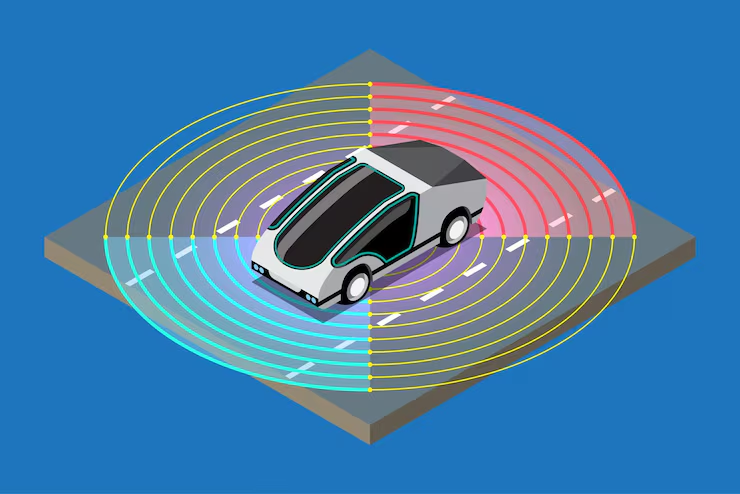
This information is transmitted through wireless communication networks to cloud servers or fleet management software where users can monitor vehicles from virtually anywhere.
How Does a Telemetryczny System Work?
A telemetryczny system follows a simple but highly effective process.
Step 1: Data Collection
Sensors installed throughout the vehicle continuously monitor hundreds of measurements.
Examples include:
- Temperature sensors
- Pressure sensors
- GPS receivers
- Accelerometers
- Fuel sensors
- Wheel speed sensors
- Engine control unit (ECU)
- OBD-II interface
- Battery sensors
Each sensor records information every second while the vehicle is operating.
Step 2: Data Processing
The onboard telemetry unit receives information from every connected sensor.
It filters unnecessary data and prepares useful information before transmission.
Some advanced systems even perform calculations inside the vehicle, reducing the amount of information that needs to be sent over cellular networks.
Step 3: Wireless Transmission
The processed information is securely transmitted using communication technologies such as:
- 4G
- 5G
- LTE
- Wi-Fi
- Bluetooth
- Satellite communication
The data reaches cloud servers within seconds.
Step 4: Cloud Storage
Cloud platforms store millions of records safely.
Fleet managers, mechanics, insurance companies, or vehicle owners can access this information through secure dashboards.
Historical records allow users to compare vehicle performance over weeks, months, or years.
Step 5: Data Analysis
Software analyzes the incoming information using algorithms and artificial intelligence.
Instead of simply displaying numbers, modern telemetryczny systems identify:
- Performance problems
- Fuel waste
- Unsafe driving
- Mechanical failures
- Maintenance needs
- Route inefficiencies
This allows organizations to act before small issues become expensive repairs.
Main Components of a Telemetryczny System
A complete telemetryczny solution combines several hardware and software components.
Vehicle Sensors
Sensors provide the raw information.
Common examples include:
- Fuel sensors
- Temperature sensors
- Pressure sensors
- Motion sensors
- GPS modules
- Battery monitors
- Brake sensors
Without accurate sensors, telemetry cannot provide reliable information.
Also Read: HydraHD: The Complete Guide to HydraHD for Movie and TV Show Discovery
Electronic Control Unit (ECU)
The ECU acts as the vehicle’s central computer.
It receives information from different systems and shares it with the telemetry device.
Modern vehicles contain dozens of ECUs controlling everything from the engine to safety features.
Telemetry Control Unit
The telemetry unit collects information from the ECU and other sensors.
It organizes the data before transmitting it to cloud servers.
Many units also include onboard storage for situations where internet connectivity is temporarily unavailable.
Communication Module
Wireless communication keeps vehicles connected.
Depending on location and application, communication may use:
- Cellular networks
- Satellite systems
- Wi-Fi
- Radio communication
Reliable communication ensures real-time monitoring.
Cloud Platform
Cloud systems store, organize, and process large amounts of information.
Modern platforms can manage data from thousands of vehicles simultaneously.
Users log into secure dashboards from computers or mobile devices.
Analytics Dashboard
Dashboards convert technical information into simple reports.
Common dashboard features include:
- Live maps
- Fuel reports
- Maintenance alerts
- Driver scorecards
- Speed reports
- Vehicle health summaries
- Historical trends
- Predictive maintenance recommendations
Types of Data Collected by Telemetryczny Systems
Modern telemetryczny platforms gather much more information than many people realize.
Engine Performance Data
The engine produces valuable diagnostic information.
Examples include:
- Engine temperature
- RPM
- Fuel injection timing
- Air intake measurements
- Oil pressure
- Engine load
- Exhaust temperature
Mechanics use this information to identify problems before they become severe.
Fuel Management Data
Fuel represents one of the largest operating expenses for transportation companies.
Telemetry systems monitor:
- Fuel consumption
- Fuel level
- Fuel theft
- Refueling events
- Idle fuel usage
- Fuel efficiency trends
Businesses can significantly reduce costs by understanding fuel usage patterns.
Location Tracking
GPS tracking provides:
- Real-time vehicle location
- Route history
- Travel distance
- Arrival estimates
- Route optimization
- Geographic boundaries (geofencing)
Managers always know where vehicles are operating.
Driver Behavior Monitoring
Driver performance has a direct impact on safety and operating costs.
Telemetryczny technology measures:
- Harsh braking
- Rapid acceleration
- Sharp cornering
- Speeding
- Excessive idling
- Seatbelt usage
- Fatigue indicators
Driver coaching programs often use this information to improve safety.
Vehicle Health Monitoring
Continuous monitoring helps prevent unexpected breakdowns.
Systems track:
- Battery condition
- Transmission health
- Cooling system performance
- Brake wear
- Tire pressure
- Suspension performance
Maintenance teams receive alerts before failures occur.
Industries That Use Telemetryczny Technology
Telemetryczny systems have expanded far beyond passenger vehicles.
Today, many industries depend on real-time vehicle monitoring.
Transportation and Logistics
Delivery companies monitor thousands of vehicles every day.
Telemetry helps optimize:
- Delivery routes
- Fuel usage
- Driver schedules
- Vehicle maintenance
- Customer delivery times
This increases efficiency while lowering operating costs.
Public Transportation
Bus systems use telemetryczny technology to improve service reliability.
Transit agencies monitor:
- Vehicle location
- Schedule adherence
- Engine health
- Passenger safety
- Fuel usage
Real-time information helps reduce delays.
Construction
Construction equipment often operates under demanding conditions.
Telemetry systems monitor:
- Engine hours
- Equipment utilization
- Hydraulic pressure
- Fuel consumption
- Maintenance schedules
Managers can maximize equipment productivity.
Agriculture
Modern farming increasingly relies on connected machines.
Telemetry helps monitor:
- Tractor performance
- Harvesting equipment
- Fuel efficiency
- Field coverage
- Machine health
Farmers make better decisions using real-time operational data.
Emergency Services
Police, ambulance, and fire departments benefit from telemetry through:
- Faster dispatch
- Vehicle tracking
- Route optimization
- Maintenance monitoring
- Fleet readiness
Reliable vehicles can directly impact emergency response times.
Mining
Mining companies use telemetryczny systems to monitor heavy equipment operating in remote locations.
Continuous monitoring reduces downtime and improves worker safety.
Benefits of Using Telemetryczny Systems
The growing popularity of telemetryczny technology is driven by the wide range of benefits it provides.
Improved Vehicle Safety
Real-time monitoring identifies risky driving behaviors before accidents occur. Fleet managers can coach drivers based on actual performance data, leading to safer roads and fewer incidents.
Lower Operating Costs
Fuel waste, unnecessary idling, inefficient routes, and delayed maintenance all increase expenses. Telemetry helps identify these issues quickly, allowing businesses to reduce costs without sacrificing productivity.
Predictive Maintenance
Instead of waiting for a vehicle to break down, telemetryczny systems detect early warning signs. This allows maintenance teams to replace worn components before they fail, reducing unexpected downtime and expensive repairs.
Better Fleet Visibility
Managers can monitor every connected vehicle from a single dashboard. Real-time visibility improves scheduling, dispatching, customer service, and overall operational efficiency.
Higher Fuel Efficiency
By analyzing fuel usage patterns and driver behavior, organizations can improve fuel economy across their fleets. Even small improvements in efficiency can result in significant savings over time.
Improved Driver Accountability
Telemetry data provides an objective record of driving habits. This encourages safer behavior, reduces disputes, and supports fair performance evaluations.
Enhanced Customer Service
Accurate GPS tracking and estimated arrival times help businesses provide better service. Customers receive more reliable delivery updates, improving satisfaction and trust.
Data-Driven Decision Making
Instead of relying on assumptions, organizations can use real-time and historical data to make informed decisions about maintenance, vehicle replacement, staffing, and route planning.
Advanced Applications of Telemetryczny Technology
Telemetryczny systems are no longer limited to tracking vehicle location or engine performance. Modern solutions combine cloud computing, artificial intelligence (AI), machine learning, and Internet of Things (IoT) technologies to create smarter transportation systems. These advanced capabilities help businesses increase efficiency while improving safety and reducing operating costs.
Telemetryczny in Connected Vehicles
Connected vehicles communicate with cloud platforms, nearby vehicles, road infrastructure, and mobile applications. A telemetryczny system serves as the communication bridge by collecting and sharing data in real time.
Connected vehicles can provide:
- Live traffic updates
- Automatic emergency alerts
- Navigation assistance
- Vehicle diagnostics
- Remote software updates
- Driver notifications
- Theft detection
- Maintenance reminders
As smart cities continue to grow, connected vehicles will play an even larger role in improving transportation.
Telemetryczny and Artificial Intelligence
Artificial intelligence has transformed how telemetry data is analyzed.
Instead of simply displaying information, AI systems recognize patterns and predict future events.
For example, AI can identify:
- Drivers who are becoming fatigued
- Engines showing signs of failure
- Fuel consumption anomalies
- Unsafe driving behavior
- Unusual vehicle movements
- Maintenance needs before breakdowns
Machine learning models improve continuously by learning from millions of driving records collected over time.
Predictive Maintenance with Telemetryczny
Traditional maintenance schedules rely on mileage or fixed service intervals.
Predictive maintenance uses actual vehicle data instead.
For example, a telemetryczny system may detect:
- Rising engine temperatures
- Declining battery performance
- Increasing brake wear
- Tire pressure changes
- Transmission irregularities
Maintenance teams receive alerts before failures occur, reducing repair costs and preventing unexpected downtime.
Telemetryczny in Electric Vehicles
Electric vehicles (EVs) generate large amounts of operational data.
Telemetry systems monitor:
- Battery charge level
- Battery temperature
- Charging cycles
- Energy consumption
- Regenerative braking
- Motor performance
- Charging station usage
- Estimated driving range
Fleet operators use this information to optimize charging schedules and extend battery life.
Telemetryczny for Autonomous Vehicles
Self-driving vehicles rely heavily on telemetry.
These vehicles continuously exchange information between onboard systems and remote servers.
Telemetry supports:
- Sensor monitoring
- Camera performance
- Radar diagnostics
- LiDAR status
- Navigation updates
- Remote software management
- Vehicle health monitoring
Without reliable telemetry, autonomous vehicles cannot safely process or transmit the large amounts of information they generate.
How Fleet Managers Use Telemetryczny Data
Fleet management is one of the biggest users of telemetry technology.
Managers use dashboards to monitor dozens or even thousands of vehicles simultaneously.
Daily reports often include:
- Distance traveled
- Fuel usage
- Driver scorecards
- Maintenance status
- Vehicle utilization
- Route efficiency
- Delivery completion
- Idle time
- Engine health
These reports help organizations improve productivity while lowering operational expenses.
Telemetryczny and Fuel Management
Fuel costs represent a major expense for transportation companies.
Telemetry systems help reduce fuel waste by identifying:
- Excessive idling
- Aggressive acceleration
- Hard braking
- Poor route planning
- Unauthorized vehicle usage
- Fuel theft
- Engine inefficiencies
Even a small improvement in fuel efficiency can save thousands of dollars annually for large fleets.
Using Telemetryczny to Improve Driver Safety
Safe driving protects employees, customers, and company assets.
Telemetry systems measure behaviors such as:
- Speeding
- Rapid acceleration
- Sudden braking
- Sharp turns
- Seat belt usage
- Driver fatigue indicators
- Mobile phone distractions
- Excessive driving hours
Managers can use these insights to provide targeted coaching and reward safe driving habits.
The Role of GPS in Telemetryczny Systems
GPS technology is a key part of most telemetryczny solutions.
It enables businesses to:
- Track vehicle location
- Optimize delivery routes
- Monitor travel history
- Calculate arrival times
- Prevent unauthorized vehicle use
- Support emergency response
Real-time GPS tracking also improves customer communication by providing accurate delivery updates.
Telemetryczny and Vehicle Diagnostics
Modern vehicles contain hundreds of electronic components.
Telemetry systems communicate with onboard diagnostic systems to detect problems such as:
- Engine warning lights
- Emission system faults
- Transmission errors
- Battery issues
- Sensor failures
- Cooling system problems
Mechanics receive detailed diagnostic information before the vehicle arrives at the repair shop.
Cybersecurity in Telemetryczny Systems
As vehicles become more connected, cybersecurity becomes increasingly important.
Organizations should protect telemetry data through:
- Data encryption
- Secure cloud storage
- Multi-factor authentication
- Regular software updates
- Network monitoring
- User access controls
Protecting telemetry systems helps prevent unauthorized access and ensures the integrity of collected data.
Privacy Considerations
Telemetry collects detailed operational information, which raises privacy concerns.
Companies should establish clear policies regarding:
- What information is collected
- Who can access the data
- How long information is stored
- Employee notification
- Regulatory compliance
Transparency builds trust among drivers, employees, and customers.
Challenges of Implementing Telemetryczny Systems
Although telemetry offers many advantages, organizations should understand the potential challenges.
Initial Investment
Installing sensors, communication devices, and cloud platforms requires an upfront investment. However, many businesses recover these costs through fuel savings, reduced maintenance, and improved efficiency.
Data Overload
Telemetry systems generate enormous amounts of information. Without proper analytics tools, organizations may struggle to identify the most valuable insights.
Connectivity Limitations
Vehicles operating in remote areas may experience limited cellular or satellite coverage. Modern systems often store data locally and upload it once a connection is restored.
Integration with Existing Systems
Businesses may need to integrate telemetry platforms with accounting software, maintenance systems, enterprise resource planning (ERP) solutions, or fleet management tools. Proper planning helps ensure a smooth implementation.
Employee Acceptance
Some drivers may initially feel uncomfortable with continuous monitoring. Clear communication about the purpose of telemetry—improving safety, reducing costs, and supporting preventive maintenance—can help build acceptance.
Future Trends in Telemetryczny Technology
Telemetryczny technology continues to evolve rapidly. Several emerging trends are expected to shape its future.
Artificial Intelligence Everywhere
AI will become more deeply integrated into telemetry platforms, offering even more accurate predictions, automated recommendations, and real-time decision support.
Wider Adoption of 5G Networks
Faster and more reliable 5G connectivity will enable vehicles to transmit larger volumes of data with lower latency, improving real-time monitoring and communication.
Digital Twins
Organizations are beginning to create digital twins—virtual models of vehicles that mirror their real-world condition using live telemetry data. This allows engineers to simulate performance, test maintenance strategies, and predict failures without affecting the actual vehicle.
Greater Automation
Telemetry systems will increasingly automate routine tasks such as maintenance scheduling, compliance reporting, and route optimization, reducing administrative workloads.
Sustainability and Environmental Monitoring
As companies focus on reducing emissions, telemetry will play a larger role in monitoring fuel efficiency, electric vehicle performance, and carbon footprints. These insights support sustainability goals while lowering operating costs.
Expansion Beyond Transportation
Telemetry principles are also being applied in industries such as healthcare, agriculture, energy, and manufacturing, demonstrating the flexibility of remote monitoring technologies.
In the coming years, telemetryczny systems are expected to become even more intelligent, secure, and essential for organizations that depend on reliable vehicles and data-driven operations.
How to Choose the Best Telemetryczny System
Selecting the right telemetryczny solution requires careful planning. Not every system offers the same features, and the best option depends on the size of your fleet, your industry, and your business goals.
Before investing, organizations should identify the problems they want to solve. Some companies focus on reducing fuel costs, while others prioritize driver safety, predictive maintenance, or real-time vehicle tracking.
When comparing telemetryczny platforms, consider the following factors:
Scalability
Choose a solution that can grow with your business. A system that supports ten vehicles today should also be able to manage hundreds or even thousands in the future.
Ease of Use
A user-friendly dashboard makes it easier for managers and technicians to understand vehicle data without extensive training.
Look for features such as:
- Simple navigation
- Customizable reports
- Interactive maps
- Mobile access
- Clear maintenance alerts
Data Accuracy
Reliable decisions depend on accurate information. High-quality sensors and dependable communication networks ensure that the collected data reflects actual vehicle performance.
Integration Capabilities
A good telemetryczny platform should integrate with:
- Fleet management software
- Maintenance management systems
- ERP platforms
- Accounting software
- Customer relationship management (CRM) tools
- Business intelligence platforms
Integration reduces manual work and improves operational efficiency.
Security Features
Since telemetry systems handle valuable operational data, security should be a top priority.
Essential security features include:
- End-to-end encryption
- Secure cloud storage
- User authentication
- Role-based access
- Regular software updates
- Backup and recovery options
Technical Support
Reliable customer support becomes especially important during installation and future upgrades.
Choose providers that offer:
- Training resources
- Documentation
- Technical assistance
- Software updates
- Responsive customer service
Best Practices for Implementing Telemetryczny
Successful implementation involves more than installing hardware.
Organizations should follow several best practices to maximize return on investment.
Define Clear Objectives
Identify measurable goals before deployment.
Examples include:
- Reduce fuel consumption by 10%
- Lower maintenance costs
- Improve driver safety scores
- Reduce idle time
- Increase vehicle availability
Clear goals help measure success.
Train Employees
Drivers, technicians, and fleet managers should understand how telemetryczny systems work.
Training should explain:
- Why data is collected
- How reports are used
- Safety benefits
- Privacy policies
- Daily operating procedures
Well-trained employees are more likely to support the technology.
Monitor Performance Regularly
Collecting data alone is not enough.
Managers should review reports regularly to identify trends and make informed decisions.
Monthly performance reviews often reveal opportunities for continuous improvement.
Update Software
Modern telemetry platforms receive regular software updates.
Keeping systems updated improves:
- Security
- Performance
- Compatibility
- New feature availability
Ignoring updates may expose systems to unnecessary risks.
Review Data Quality
Occasionally verify that sensors are functioning correctly.
Incorrect sensor readings can lead to poor decisions and inaccurate maintenance planning.
Common Mistakes to Avoid
Organizations sometimes fail to realize the full value of telemetry because of avoidable mistakes.
Some of the most common include:
Buying Based Only on Price
The least expensive solution may not provide the reliability, analytics, or support required for long-term success.
Ignoring Employee Feedback
Drivers and technicians often provide valuable insights into how telemetry systems affect daily operations.
Listening to their feedback helps improve adoption.
Collecting Too Much Unused Data
More data does not always mean better decisions.
Focus on collecting information that directly supports business objectives.
Failing to Act on Insights
The biggest mistake is collecting valuable telemetry data but never using it.
Regular analysis should lead to measurable operational improvements.
Telemetryczny and Environmental Sustainability
Sustainability has become an important business objective worldwide.
Telemetryczny technology supports environmental initiatives by helping organizations reduce fuel consumption and emissions.
Some environmental benefits include:
- Lower carbon emissions
- Reduced unnecessary idling
- Better route optimization
- Improved vehicle efficiency
- Earlier maintenance to reduce pollution
- More efficient electric vehicle management
Businesses that use telemetry often find that operational efficiency and environmental responsibility go hand in hand.
How Small Businesses Benefit from Telemetryczny
Telemetry is not just for large corporations.
Small businesses with only a few vehicles can also benefit significantly.
Examples include:
- Local delivery companies
- Plumbing services
- Electrical contractors
- HVAC businesses
- Landscaping companies
- Mobile repair services
Small fleets often see improvements in:
- Fuel costs
- Scheduling
- Customer service
- Vehicle maintenance
- Driver accountability
Cloud-based solutions have made telemetry more affordable than ever before.
The Future of Telemetryczny Beyond Vehicles
Although telemetry is most commonly associated with transportation, its future extends well beyond motor vehicles.
Emerging applications include:
- Smart factories
- Healthcare monitoring
- Agricultural equipment
- Industrial machinery
- Renewable energy systems
- Construction equipment
- Maritime transportation
- Aviation
The ability to collect, transmit, and analyze data remotely is becoming valuable across nearly every industry.
Also Read: Plangud: Meaning, Uses, Trends, and Why This Emerging Digital Word Matters
Expert Insights: Why Telemetryczny Matters More Than Ever
One of the biggest changes in modern transportation is the shift from reactive management to proactive management.
In the past, companies waited for something to go wrong before taking action. A vehicle broke down, fuel costs increased unexpectedly, or a customer complained about late deliveries. Decisions were often based on guesswork or incomplete information.
Telemetryczny changes that approach entirely.
By delivering continuous, real-time insights, organizations can detect problems early, improve efficiency, and make decisions based on accurate data rather than assumptions.
The true value of telemetry is not simply collecting information—it is transforming that information into smarter decisions. Businesses that embrace this mindset often gain a competitive advantage through lower operating costs, higher vehicle reliability, improved customer satisfaction, and stronger overall performance.
As artificial intelligence, cloud computing, and connected vehicle technologies continue to evolve, telemetryczny systems will become even more predictive, automated, and intelligent. Organizations that adopt these solutions today are better positioned to adapt to the future of mobility.
Frequently Asked Questions (FAQs)
What is telemetryczny in simple terms?
Telemetryczny refers to a system that collects real-time data from a vehicle’s sensors and transmits it to another location for monitoring, analysis, and decision-making.
Can telemetryczny systems work without an internet connection?
Many modern systems temporarily store information locally when connectivity is unavailable. Once the connection is restored, the stored data is automatically uploaded to the cloud.
How often is telemetry data updated?
The update frequency depends on the system configuration. Some platforms transmit data every few seconds, while others send updates every few minutes to reduce communication costs.
Can telemetryczny improve insurance costs?
Yes. Some insurance providers may offer discounts for fleets that demonstrate safe driving habits through verified telemetry data, although availability depends on the insurer and region.
Does telemetryczny only work in new vehicles?
No. Many telemetry solutions can be installed in older vehicles using aftermarket hardware, making the technology accessible to businesses with mixed-age fleets.
How much data can a telemetryczny system collect?
Modern systems can collect thousands of data points during a single trip, depending on the number of installed sensors and the configuration of the platform.
Can telemetryczny detect unauthorized vehicle use?
Yes. Features such as GPS tracking, geofencing, ignition monitoring, and movement alerts can notify owners when a vehicle is used outside approved times or locations.
Is telemetryczny useful for personal vehicles?
Absolutely. Individual vehicle owners can use telemetry to monitor maintenance, improve driving habits, track vehicle location, and receive alerts about potential mechanical issues.
Can telemetryczny reduce downtime for commercial fleets?
Yes. Predictive maintenance and real-time diagnostics help identify developing problems before they lead to unexpected breakdowns, keeping vehicles on the road longer.
Will telemetryczny become more important in the future?
Yes. As vehicles become more connected, electric, and increasingly automated, telemetryczny technology will play a central role in vehicle management, safety, sustainability, and intelligent transportation systems.
Conclusion
Telemetryczny technology has transformed the way vehicles are monitored, maintained, and managed. By collecting real-time information from sensors and transmitting it to intelligent software platforms, these systems provide valuable insights into vehicle performance, driver behavior, fuel efficiency, maintenance needs, and overall operational health.
From passenger cars and commercial fleets to construction equipment, agriculture, emergency services, and electric vehicles, telemetryczny solutions help organizations improve safety, reduce costs, increase productivity, and make better decisions based on reliable data.
Looking ahead, the integration of artificial intelligence, machine learning, cloud computing, 5G connectivity, and predictive analytics will make telemetryczny systems even more powerful. Rather than simply reporting what has happened, future platforms will increasingly anticipate issues, automate responses, and optimize operations with minimal human intervention.
For businesses and vehicle owners alike, investing in a modern telemetryczny solution is no longer just a technological upgrade—it is a strategic decision that supports efficiency, reliability, sustainability, and long-term success. As transportation continues to evolve, telemetryczny will remain a cornerstone of smarter, safer, and more connected mobility.