

Cities are changing faster than ever before. Around the world, people are moving into urban areas, businesses are growing, and technology is becoming part of daily life. As cities expand, they also face serious challenges such as traffic congestion, pollution, energy waste, housing pressure, and limited public resources. Because of these issues, many urban planners and technology experts are searching for smarter and more sustainable ways to build modern cities.
This is where axurbain enters the conversation.
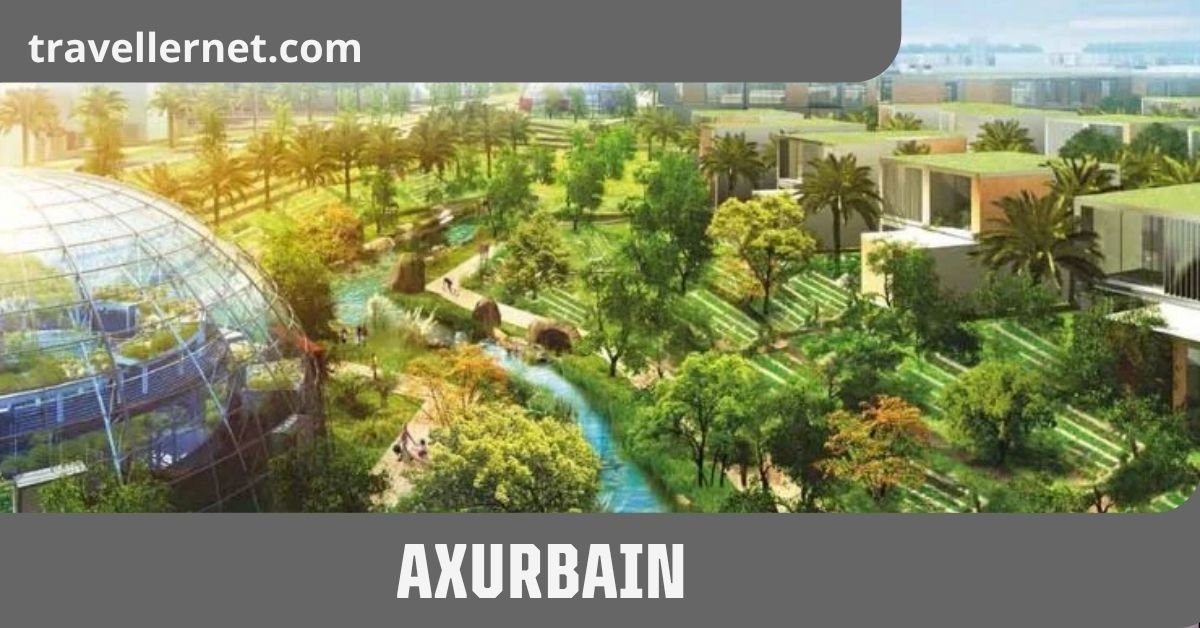
Axurbain represents a new vision for urban life. It combines smart technology, sustainable development, human-centered planning, and digital innovation to create cities that are more efficient, connected, and comfortable for everyone. Instead of treating cities as simple collections of buildings and roads, axurbain sees them as living systems that can learn, adapt, and evolve with the people who live in them.
The idea behind axurbain is simple but powerful. A city should not only grow larger. It should also grow smarter, healthier, greener, and more responsive to human needs. By using advanced technologies such as artificial intelligence, smart infrastructure, data systems, renewable energy, and connected transportation, axurbain creates a framework for the cities of the future.
In recent years, interest in smart urban ecosystems has increased rapidly across the United States and many other countries. Governments, businesses, architects, and environmental experts are exploring new urban models that reduce waste, improve public services, and increase quality of life. Axurbain stands out because it focuses not only on technology but also on people, sustainability, and long-term urban resilience.
This article explores everything you need to know about axurbain, including its meaning, core principles, technologies, benefits, challenges, future potential, and impact on modern urban development. Whether you are a student, urban planner, business owner, investor, or simply curious about the future of cities, this guide will help you understand why axurbain is becoming an important concept in modern society.
What Is Axurbain?
Axurbain is a modern urban development concept that combines smart city innovation with sustainable and human-focused living. The term reflects the idea of building intelligent urban environments where technology and people work together in harmony.
Unlike traditional urban systems that mainly focus on infrastructure and expansion, axurbain focuses on creating adaptable cities that improve the lives of residents while protecting the environment.
At its core, axurbain includes several important elements:
- Smart infrastructure
- Sustainable energy systems
- Digital connectivity
- Human-centered design
- Environmental responsibility
- Urban efficiency
- Community integration
- Artificial intelligence and automation
The concept views cities as dynamic ecosystems rather than static spaces. In an axurbain environment, traffic systems can respond to real-time conditions, energy grids can reduce waste automatically, public transportation can become more efficient, and city services can improve through connected technologies.
The main goal of axurbain is to create urban spaces that are intelligent, sustainable, inclusive, and future-ready.
The Origins and Evolution of Axurbain
The rise of axurbain is connected to the global growth of smart cities and sustainable urban planning. Over the past two decades, cities have experienced increasing pressure from population growth, climate change, and technological transformation.
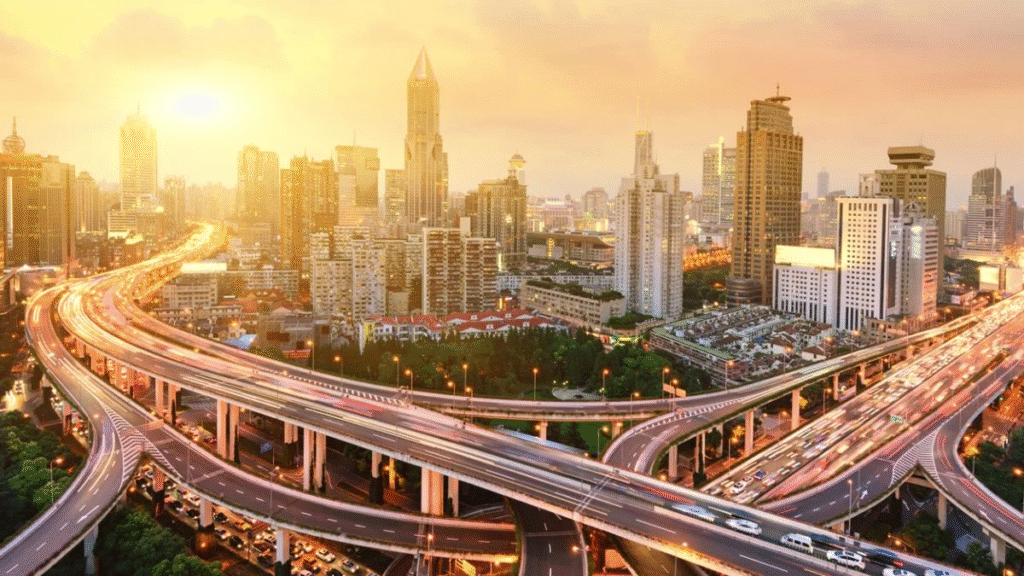
Traditional urban models often struggle to handle modern demands. Traffic congestion wastes time and fuel. Pollution harms public health. Outdated infrastructure increases costs. Energy systems become inefficient. Housing shortages affect affordability. Public services become overloaded.
Because of these problems, experts began developing smarter urban systems that use technology to improve efficiency and sustainability.
Axurbain emerged from this movement but introduced a broader and more balanced approach. Instead of focusing only on digital tools, axurbain emphasizes the relationship between people, technology, and the environment.
This evolution reflects several important global trends:
Urban Population Growth
More people are living in cities than ever before. According to international studies, urban populations continue to grow rapidly, increasing pressure on transportation, housing, water systems, and public services.
Axurbain addresses these issues by creating smarter urban systems that scale more effectively.
Climate and Sustainability Concerns
Climate change has made sustainability a major priority for city planners. Modern cities must reduce emissions, improve energy efficiency, and protect natural resources.
Axurbain supports greener cities through renewable energy, sustainable construction, smart energy grids, and eco-friendly transportation.
Digital Transformation
The rise of artificial intelligence, cloud computing, big data, sensors, and the Internet of Things has transformed how cities operate.
Axurbain uses these technologies to improve decision-making and create more responsive urban environments.
Human-Centered Urban Planning
Older urban models often focused on economic growth without fully considering human well-being.
Axurbain changes this by placing people at the center of urban development.
Core Principles of Axurbain
Understanding the principles behind axurbain helps explain why it is becoming an influential urban model.
Smart Connectivity
Connectivity is one of the foundations of axurbain. Modern cities rely on digital communication systems that connect transportation, utilities, public services, businesses, and residents.
Smart sensors, connected devices, and real-time data systems allow cities to operate more efficiently. For example, traffic systems can automatically adjust to reduce congestion, while smart lighting systems can lower energy use.
This level of connectivity improves convenience and reduces waste.
Sustainability
Sustainability is central to the axurbain philosophy. Cities consume large amounts of energy and produce significant environmental impact.
Axurbain promotes sustainable practices such as:
- Renewable energy adoption
- Energy-efficient buildings
- Green public transportation
- Smart waste management
- Water conservation systems
- Eco-friendly urban planning
These efforts help cities reduce pollution and support long-term environmental health.
Human-Centered Design
Technology alone cannot create better cities. Urban spaces must also improve the lives of residents.
Axurbain focuses on:
- Walkable neighborhoods
- Accessible public spaces
- Safer streets
- Better housing
- Community engagement
- Inclusive urban design
This creates cities that feel more comfortable, connected, and livable.
Data-Driven Decision Making
Modern cities generate large amounts of data every day. Axurbain uses this information to improve planning and operations.
City leaders can analyze data related to:
- Traffic patterns
- Energy usage
- Public safety
- Environmental conditions
- Infrastructure performance
- Population trends
This allows governments and planners to make smarter decisions based on real information rather than assumptions.
Adaptability and Innovation
Cities constantly change. Axurbain encourages flexible systems that can evolve with future needs.
Instead of building rigid infrastructure, axurbain supports scalable technologies and adaptable urban planning strategies.
Key Technologies Behind Axurbain
Technology plays a major role in the axurbain ecosystem. Several innovations support its smart urban vision.
Artificial Intelligence
Artificial intelligence helps cities process massive amounts of information quickly.
AI systems can improve:
- Traffic flow
- Emergency response
- Energy management
- Public transportation
- Security systems
- Urban planning
AI also helps predict future urban challenges before they become serious problems.
Internet of Things (IoT)
IoT refers to connected devices that collect and share data.
In an axurbain city, IoT systems may include:
- Smart traffic signals
- Connected streetlights
- Air quality sensors
- Smart parking systems
- Water monitoring systems
- Intelligent public transportation
These systems improve operational efficiency and provide valuable data for city management.
Smart Infrastructure
Infrastructure is the backbone of urban life. Axurbain modernizes infrastructure using advanced technologies.
Examples include:
- Smart roads
- Automated public transit
- Intelligent utility systems
- Energy-efficient buildings
- Smart grids
- Digital communication networks
This infrastructure creates more resilient and responsive urban systems.
Renewable Energy Integration
Axurbain promotes clean energy sources such as:
- Solar power
- Wind energy
- Battery storage systems
- Smart energy grids
These technologies reduce dependence on fossil fuels and lower environmental impact.
Big Data Analytics
Big data allows cities to analyze enormous amounts of information from multiple systems.
Through analytics, city planners can identify trends, predict challenges, and improve urban operations.
This supports smarter governance and long-term planning.
Benefits of Axurbain for Modern Cities
The growing interest in axurbain comes from its many potential advantages.
Improved Quality of Life
One of the biggest goals of axurbain is improving daily life for residents.
Benefits may include:
- Reduced traffic congestion
- Faster public services
- Cleaner environments
- Safer neighborhoods
- Better transportation
- More accessible public spaces
These improvements make cities more enjoyable and efficient.
Environmental Protection
Environmental sustainability is a major concern in modern urban development.
Axurbain supports environmental goals by reducing:
- Carbon emissions
- Energy waste
- Pollution
- Resource overconsumption
Green urban systems also improve air quality and public health.
Economic Growth
Smart cities often attract businesses, startups, investors, and skilled workers.
Axurbain creates opportunities for:
- Technology innovation
- Infrastructure investment
- Green industries
- Digital services
- Smart transportation companies
This can strengthen local economies and create jobs.
Better Resource Management
Traditional urban systems often waste energy, water, and materials.
Axurbain improves resource efficiency through automation and real-time monitoring.
For example:
- Smart grids reduce electricity waste
- Water systems detect leaks automatically
- Smart waste systems optimize collection routes
These improvements lower costs and increase sustainability.
Enhanced Public Safety
Connected technologies can improve emergency response and public safety.
Smart monitoring systems help authorities respond faster to:
- Traffic accidents
- Natural disasters
- Infrastructure failures
- Public safety threats
This creates safer urban environments.
Axurbain and Smart Cities
Many people compare axurbain to smart cities, but there are important differences.
A smart city mainly focuses on using technology to improve urban operations.
Axurbain goes further by combining:
- Technology
- Sustainability
- Human-centered design
- Community well-being
- Environmental responsibility
- Long-term adaptability
In other words, axurbain is not only about making cities smarter. It is about making cities better for people and the planet.
This broader approach gives axurbain a more balanced and future-focused identity.
Real-World Applications of Axurbain Concepts
Although axurbain itself is still an emerging concept, many cities already use similar principles.
Smart Transportation Systems
Modern cities are investing in:
- Electric buses
- Smart traffic management
- Bike-sharing systems
- Real-time transit apps
- Autonomous vehicle testing
These systems reduce congestion and improve mobility.
Green Architecture
Sustainable building design has become increasingly popular.
Features include:
- Solar-powered buildings
- Energy-efficient materials
- Green rooftops
- Smart climate control systems
- Water recycling technologies
These practices align closely with the axurbain philosophy.
Intelligent Public Services
Governments are digitizing many public services.
Examples include:
- Online city services
- Smart utility management
- Digital permits
- AI-powered public support systems
This improves convenience and operational efficiency.
Urban Data Platforms
Cities increasingly rely on centralized data systems to manage operations.
These platforms help officials monitor:
- Energy usage
- Transportation patterns
- Environmental conditions
- Public infrastructure
This supports smarter urban planning.
Challenges Facing Axurbain Development
Despite its potential, axurbain also faces several challenges.
High Infrastructure Costs
Building smart urban systems requires significant investment.
Advanced infrastructure, sensors, digital networks, and renewable energy systems can be expensive to develop and maintain.
Some cities may struggle with funding limitations.
Data Privacy Concerns
Smart cities collect large amounts of data.
This raises concerns about:
- Personal privacy
- Data security
- Cybersecurity threats
- Surveillance risks
Strong protections and transparent policies are necessary.
Technology Dependence
Overreliance on digital systems can create vulnerabilities.
Technical failures, cyberattacks, or system outages could disrupt important city operations.
Cities must build resilient backup systems.
Digital Inequality
Not everyone has equal access to digital technologies.
If not managed carefully, smart urban systems could increase inequality between different communities.
Axurbain must remain inclusive and accessible.
Regulatory and Political Barriers
Urban transformation often involves complex regulations and political challenges.
Governments, businesses, and communities must work together to implement successful urban innovation.
The Role of Artificial Intelligence in Axurbain
Artificial intelligence is becoming one of the most important tools in urban management.
AI systems support axurbain in several ways.
Predictive Analytics
AI can predict future urban challenges such as:
- Traffic congestion
- Infrastructure failures
- Energy demand spikes
- Environmental risks
This helps cities respond proactively.
Automation
Automation improves operational efficiency.
Examples include:
- Automated traffic control
- Smart energy distribution
- AI-powered waste management
- Intelligent public transit systems
Automation reduces human error and increases efficiency.
Personalized Urban Services
AI can also improve citizen experiences through personalized services.
For example:
- Smart transit recommendations
- Real-time navigation systems
- Personalized utility management
These systems make urban life more convenient.
Sustainability and Environmental Impact
One of the strongest aspects of axurbain is its environmental focus.
Modern cities are major contributors to greenhouse gas emissions. Sustainable urban planning is essential for reducing environmental damage.
Axurbain supports sustainability through:
- Green transportation
- Renewable energy
- Smart energy systems
- Efficient water management
- Sustainable construction
- Urban green spaces
These efforts create healthier urban environments and support climate goals.
Axurbain and Urban Mobility
Transportation is one of the biggest urban challenges.
Traffic congestion wastes time, increases pollution, and reduces productivity.
Axurbain improves mobility through:
- Smart traffic systems
- Connected transportation networks
- Electric vehicle infrastructure
- Autonomous transportation technologies
- Public transit optimization
The goal is to create smoother, safer, and more efficient transportation systems.
How Businesses Benefit From Axurbain
Businesses also gain important advantages from smarter urban systems.
Benefits include:
- Improved logistics
- Better digital infrastructure
- Faster transportation
- Reduced operational costs
- Access to innovation ecosystems
- Enhanced sustainability reputation
Technology companies, startups, green energy firms, and digital service providers can especially benefit from axurbain development.
The Future of Axurbain
The future of axurbain looks promising as cities continue to evolve.
Several trends are likely to shape its future:
Increased AI Integration
Artificial intelligence will continue improving urban efficiency and decision-making.
Expansion of Green Energy
Renewable energy systems will become more common in urban environments.
Smarter Public Services
Governments will increasingly adopt digital and automated systems.
More Human-Centered Planning
Future cities will focus more on health, well-being, and community engagement.
Greater Global Collaboration
Cities around the world will share technologies and urban innovation strategies.
As these trends continue, axurbain may become a major framework for future urban development.
Why Axurbain Matters Today
The world faces growing urban challenges.
Population growth, environmental concerns, economic pressures, and technological disruption require new approaches to city planning.
Axurbain matters because it offers a balanced vision that combines:
- Technology
- Sustainability
- Human well-being
- Innovation
- Long-term resilience
Instead of viewing cities as static systems, axurbain sees them as intelligent ecosystems that can learn and improve over time.
This makes it highly relevant for the future of urban living.
Common Misunderstandings About Axurbain
Some people misunderstand axurbain because the concept is still developing.
Myth 1: Axurbain Is Only About Technology
Technology is important, but axurbain also focuses heavily on sustainability and human well-being.
Myth 2: Axurbain Is Only for Large Cities
Even smaller cities and communities can adopt axurbain principles.
Myth 3: Smart Cities Eliminate Human Interaction
In reality, axurbain aims to improve community connection and public experiences.
Myth 4: Axurbain Is Too Expensive for Practical Use
Although infrastructure investments can be costly, long-term efficiency savings may offset many expenses.
How Communities Can Support Axurbain Development
Citizens play an important role in urban transformation.
Communities can support axurbain initiatives by:
- Supporting sustainable transportation
- Participating in local planning
- Adopting green practices
- Using digital city services
- Supporting renewable energy projects
Public engagement helps create more successful urban systems.
Conclusion
Axurbain represents an exciting vision for the future of urban living. As cities continue to grow and evolve, traditional systems may no longer be enough to meet modern challenges. Smart, sustainable, and human-centered approaches are becoming increasingly important.
By combining advanced technology with environmental responsibility and community-focused planning, axurbain creates a model for cities that are more efficient, adaptable, and livable.
The concept goes beyond simple smart city technology. It focuses on creating urban ecosystems where people, infrastructure, and digital systems work together in harmony. From AI-powered transportation and renewable energy systems to sustainable architecture and intelligent public services, axurbain offers solutions that support both innovation and quality of life.
Although challenges such as infrastructure costs, data privacy, and digital inequality still exist, the long-term potential of axurbain remains strong. Governments, businesses, and communities around the world are increasingly recognizing the value of smarter urban development.
As the future unfolds, axurbain may become one of the most influential ideas shaping modern cities. Its focus on sustainability, intelligence, adaptability, and human well-being makes it highly relevant in a rapidly changing world.
For anyone interested in the future of cities, urban innovation, or sustainable living, understanding axurbain is an important step toward understanding where modern society is heading next.
FAQs About Axurbain
What does axurbain mean?
Axurbain refers to a modern urban concept that combines smart technology, sustainability, and human-centered city planning to create intelligent and efficient urban environments.
Is axurbain a real city?
No, axurbain is not a specific city. It is a concept or framework related to smart urban development and future city planning.
How is axurbain different from a smart city?
A smart city mainly focuses on technology and automation. Axurbain includes technology but also emphasizes sustainability, human well-being, environmental protection, and community engagement.
Why is axurbain important for the future?
Axurbain helps address major urban challenges such as pollution, traffic congestion, energy waste, and population growth by promoting smarter and more sustainable city systems.
Can small towns use axurbain principles?
Yes. Even smaller communities can apply axurbain ideas such as renewable energy, smart transportation, digital services, and sustainable infrastructure.
What technologies support axurbain?
Important technologies include artificial intelligence, IoT devices, smart infrastructure, renewable energy systems, big data analytics, and connected transportation networks.
Does axurbain help the environment?
Yes. Sustainability is a core part of axurbain. It supports cleaner energy, lower emissions, reduced waste, and more environmentally friendly urban systems.
Is axurbain expensive to implement?
Initial infrastructure costs can be high, but long-term savings from efficiency improvements may reduce overall expenses over time.
Can axurbain improve transportation systems?
Yes. Smart traffic management, connected public transportation, electric vehicles, and AI-powered systems can improve urban mobility and reduce congestion.
What industries benefit from axurbain?
Industries such as technology, renewable energy, transportation, construction, digital services, and urban planning can all benefit from axurbain development.
Is axurbain only about digital technology?
No. While technology is important, axurbain also focuses on social well-being, sustainability, environmental health, and community-centered design.
Will axurbain become more popular in the future?
Many experts believe that smart and sustainable urban systems will continue growing globally, making axurbain increasingly relevant in future city planning.