

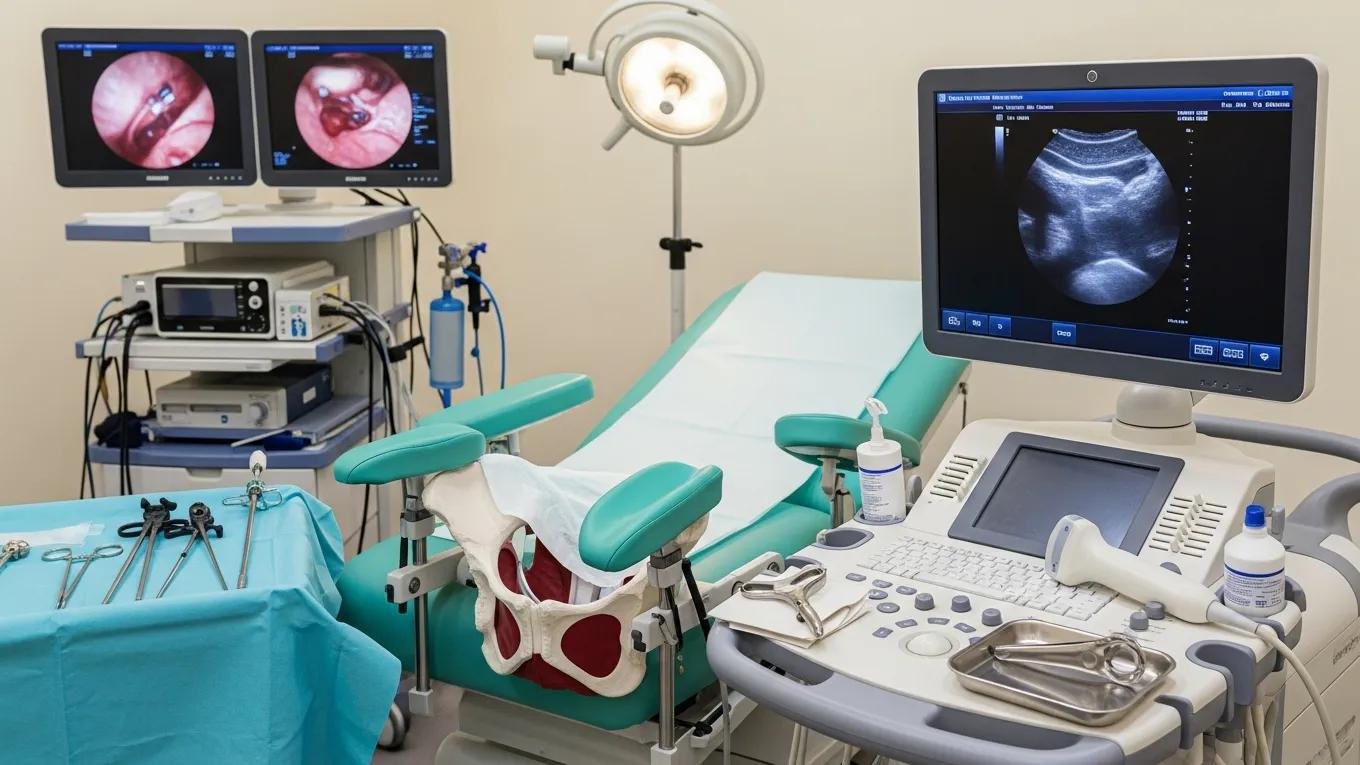
A gynecologist focuses on the female reproductive system, and when you feel pelvic pain or heavy periods, this specialist reviews your symptoms and looks for a cause. Gynecologists treat many conditions, and endometriosis is a typical concern. You gain a clear plan for your care because they follow proven steps. Here is more information on how a gynecologist can help with endometriosis:
Performing Pelvic Exams
A pelvic exam is one of the first steps a gynecologist takes. Your doctor checks the shape and size of your organs, and they feel for cysts or scar tissue. Since endometriosis often causes tender spots, this hands-on review offers early clues.
During the exam, your gynecologist may ask about your pain patterns. You describe when the pain starts, and the doctor notes any links to your cycle. This detail guides the next steps, though a physical exam alone rarely confirms the disease.
Diagnosing Endometriosis
Diagnosis takes more than one visit in many cases. Your gynecologist gathers your history, and they order tests to look deeper. As symptoms overlap with other conditions, careful review helps rule out other causes. Several tools support a diagnosis:
- Ultrasound to view cysts or masses
- MRI scans for a detailed picture
- Laparoscopy to confirm tissue growth
Each tool serves a specific purpose. A gynecologist picks the method that fits your case, and they explain what the results mean. When laparoscopy confirms the growth, you receive a clear diagnosis based on direct evidence.
Treatment options vary depending on the severity of the condition and your individual symptoms. While some cases require minimal intervention, others might involve surgery to remove problematic tissue and improve quality of life. Doctors may recommend pain management techniques, and these may include medication or lifestyle changes to provide relief.
Prescribing Medications
Medication is often the first treatment your gynecologist offers, so your gynecologist reviews your health before choosing a drug. They explain side effects, and they adjust the dose if needed. When one medication does not work, the doctor may suggest another approach based on your response. The goal is to reduce pain, and some drugs slow the growth of tissue. Since hormones drive endometriosis, many treatments target those hormone levels, and typical options include:
- Pain relievers
- Birth control pills or patches
- Hormone therapy that lowers estrogen
Performing Surgical Procedures
Surgery becomes an option when medication does not ease your symptoms. Since laparoscopy uses small cuts, recovery is typically shorter than open surgery. A gynecologist removes tissue growths, and they aim to relieve pain during the procedure.
Your surgeon locates the tissue with a small camera. They cut away the growths, and they check nearby organs for damage. Though surgery helps many patients, symptoms may return over time.
In severe cases, a gynecologist may discuss a hysterectomy. This procedure removes the uterus, and it is a decision that involves careful thought. Your doctor talks through every detail with you first.
Schedule a Gynecologist Visit
A gynecologist gives you a path from diagnosis to treatment. You get exams, tests, and care options that match your needs. Since early action often eases symptoms, timely support matters for people living with pelvic pain. Call your local clinic to set up a visit, and a specialist will review your case and leave you with a clear plan.