

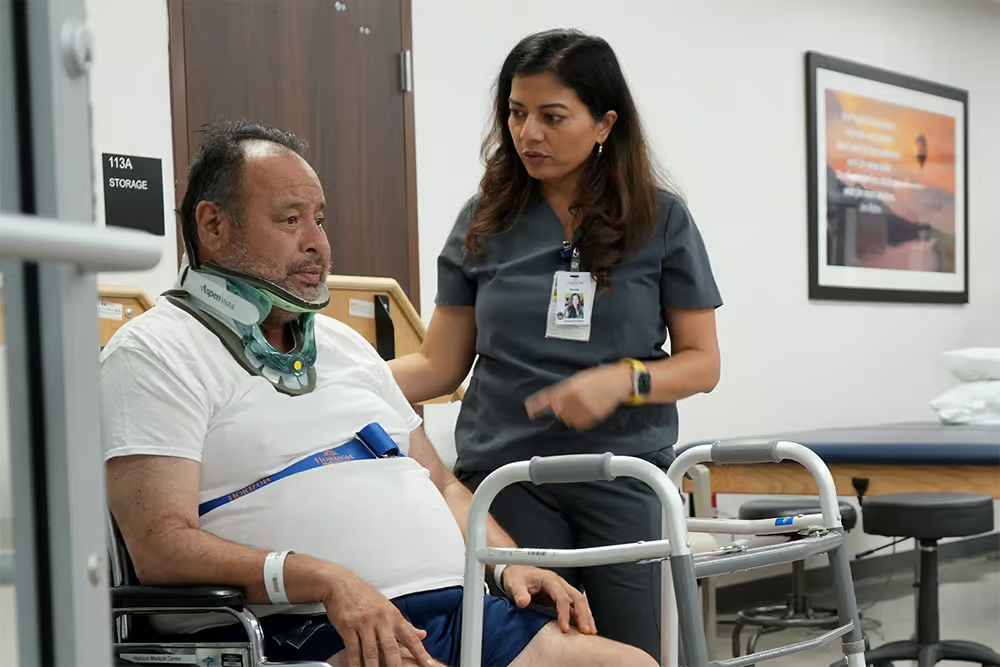
A spine fracture happens when one or more vertebrae in your back break or collapse, and these injuries can result from falls, car accidents, or osteoporosis. Some fractures cause sharp pain, and others develop slowly over time. When your spine loses its structure, daily activities that once felt simple become harder to manage. Here is more information about the impact of these injuries on your quality of life:
Reduced Mobility
Spine fractures limit how far and how easily you move. When a vertebra collapses, your posture shifts, and simple movements start to feel restricted. You might walk shorter distances than before.
Bending, lifting, and twisting become difficult tasks. Everyday chores take longer to finish because your back resists motion. If pain flares during activity, you may stop moving altogether, which weakens your muscles further. Many people notice changes in how they complete basic routines, including these:
- Getting out of bed
- Climbing stairs
- Carrying groceries
Reduced movement affects your independence, and it typically changes how you plan your day. Some people rely on a cane or walker to steady themselves. When mobility drops, isolation sometimes follows.
Lost Flexibility
Flexibility fades quickly after a spine fracture. Your back stiffens as it heals, and reaching or stretching feels tight. This stiffness limits your range of motion.
Simple movements like turning to check traffic become awkward. You may struggle to tie your shoes because bending forward strains your spine. When flexibility declines, muscles around the injury tighten to protect the area, which reduces motion even more.
Interrupted Sleep
Pain from a fracture typically disturbs your rest. Lying flat may press on the injured area, and shifting positions wakes you throughout the night. Many people wake feeling tired.
Poor sleep affects your mood, focus, and energy the next day. When you rest badly for weeks, your body struggles to recover properly. Some people find that propping pillows under the knees reduces pressure, though comfort varies from person to person.
Broken sleep also slows healing because your body repairs tissue during deep rest. You might feel groggy at work, and simple tasks require more effort. Talking with a provider about sleep positions helps some patients find relief.
Increased Risk of Falls
A spine fracture raises your chance of falling again. Poor balance, weak muscles, and limited mobility work together to make you unsteady. Falls create new injuries. Removing hazards at home lowers some of this danger.
When your posture changes, your center of gravity shifts forward. This shift throws off your balance, and stepping over obstacles becomes risky. If your vision or footing feels uncertain, everyday spaces turn hazardous. Several factors raise fall risk after a fracture:
- Reduced leg strength
- Slower reaction time
- Uneven or cluttered floors
Find Spine Fracture Treatment
A spine fracture changes how you move, rest, and live each day. A specialist reviews your imaging and symptoms before recommending a plan. Early evaluation helps you understand the type and severity of your fracture. When you know your diagnosis, you make clearer choices about next steps. Schedule an appointment with a spine specialist today to discuss your symptoms and treatment options. Reach out now to start the evaluation process.