
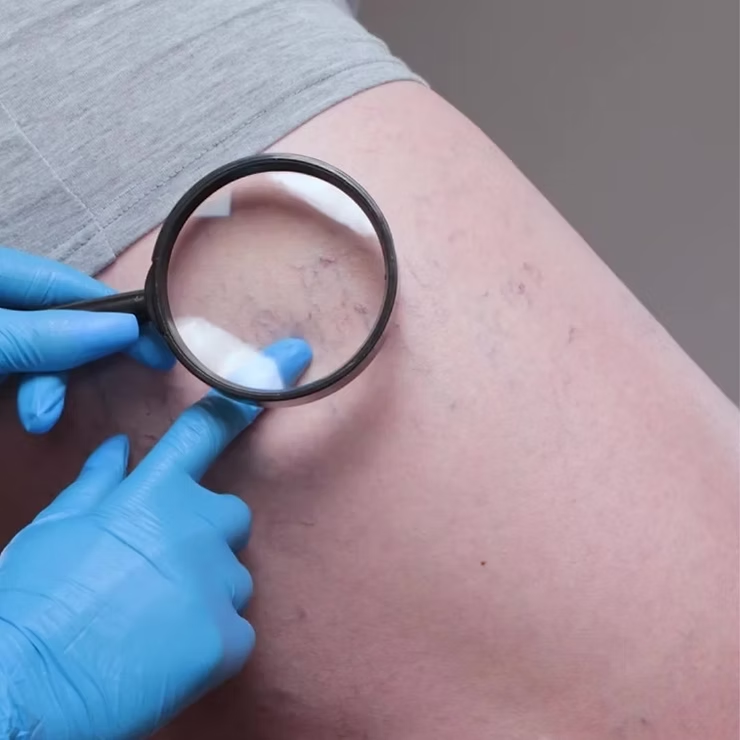
Varicose veins are enlarged, twisted veins that appear on the legs, and they form when valves weaken and blood pools. You might notice them as bulging blue or purple lines beneath your skin. Movement plays a role in how these veins feel, so knowing how exercise affects them helps you make informed choices. This is what you need to know about varicose veins and exercise:
Improving Blood Flow
Exercise keeps blood moving through your legs. When your calf muscles contract, they push blood back toward your heart, and this action supports healthy circulation. Regular movement helps to control varicose veins because sitting or standing for long stretches slows the flow. A short walk every hour keeps your legs active during the workday.
Low-impact activities put gentle pressure on your veins. You might stretch in the morning, and you might take the stairs when possible. These habits build routine without straining your body, which helps you stay consistent over time.
Avoiding Leg Strain
Some exercises place heavy stress on your legs. Heavy weightlifting raises pressure in your veins, and high-impact moves add strain that may worsen discomfort. Since your veins already work harder, gentle activities suit them better. Listen to your body and stop if you feel pain.
Certain movements require extra caution, so keep these in mind when planning workouts:
- Deep squats with heavy weights
- Long-distance running on hard surfaces
- Prolonged standing during exercise
You do not need to avoid activity altogether. Instead, choose forms that ease the load, and adjust intensity as needed. As balance matters, mix rest days into your schedule to let your legs recover.
Swimming and Walking
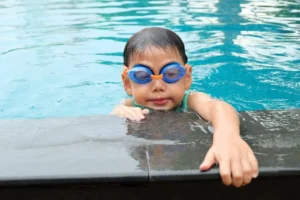
Swimming supports your body while you move. The water reduces pressure on your legs, and the resistance strengthens your muscles gently. Since swimming works your whole body, it offers steady exercise without too much strain. Try a few laps or a water aerobics class.
Walking is simple and accessible for many people. You engage your calf muscles with each step, and this pumping motion aids circulation. A daily walk typically fits easily into routines. To set a comfortable pace, walk on flat ground when you start out.
Cycling is another helpful low-impact activity that can improve leg strength and cardiovascular health. It’s easy to adjust the intensity of your ride, whether you prefer a leisurely pace or a more challenging workout. If you’re new to cycling, start with short distances on smooth paths, gradually increasing your mileage as your endurance grows.
Managing Varicose Veins
Small daily habits help you manage symptoms. Elevating your legs eases pressure, and wearing compression stockings supports your veins throughout the day. Since these steps require little effort, many people add them without trouble. Talk with your doctor about which options match your needs.
A few practical steps make a difference at home:
- Elevate your legs above heart level for 15 minutes
- Wear compression stockings during long days
- Take breaks to move during sedentary tasks
- Drink water and maintain a steady weight
Rest and movement work together. You give your legs a break when you sit, and you support them when you walk. Since consistency shapes results, stick with routines that feel manageable. Track how your legs respond and adjust as you go.
Get Treated for Varicose Veins
Exercise and home care address symptoms, but they do not remove varicose veins. A vein specialist reviews your condition, and they explain the treatment options available to you. Persistent pain or swelling requires medical attention. Schedule a consultation with a vein specialist today, bring your questions, and get a plan built around your needs.