

The modern world is changing faster than ever before. Businesses, cities, digital platforms, and even homes now need systems that can adapt quickly to new challenges. This growing demand has led to the rise of new concepts focused on flexibility, sustainability, organization, and smart design. One of the newest and most interesting ideas in this space is lufanest.
Lufanest is a contemporary conceptual term used to describe adaptive, structured, and nest-like systems in digital environments, sustainable architecture, smart technology, and organizational design. The idea behind lufanest combines flexibility, efficiency, protection, and intelligent structure into one modern framework.
As industries continue to move toward automation, artificial intelligence, remote collaboration, and eco-friendly development, the concept of lufanest is becoming more important. Companies, designers, urban planners, and technology experts are exploring how lufanest principles can improve digital systems, workplace environments, sustainability efforts, and user experiences.
This article explains everything you need to know about lufanest in simple language. You will learn what lufanest means, where it came from, how it works, its main benefits, real-world applications, future potential, and why experts believe it may shape the next generation of adaptive systems.
What Is Lufanest?
Lufanest is a modern conceptual framework centered around adaptive and organized systems that work like a nest. The word combines ideas related to structure, flexibility, safety, and intelligent design.
A nest in nature is carefully built to provide safety, support, adaptability, and efficiency. Similarly, lufanest systems are designed to create environments that can adjust to changing needs while remaining stable and organized.
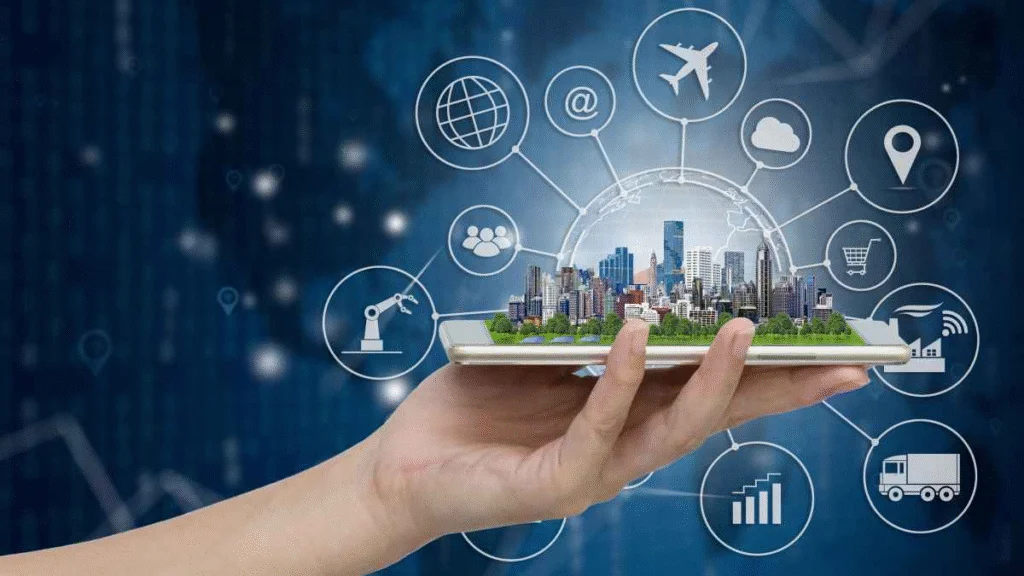
The concept of lufanest is used in several industries, including:
- Digital technology
- Sustainable architecture
- Smart city development
- Remote work systems
- Artificial intelligence
- Cloud computing
- Interior design
- Organizational management
- User experience design
- Environmental sustainability
The core philosophy of lufanest is simple:
Create systems that are flexible, connected, sustainable, intelligent, and capable of evolving naturally over time.
Unlike rigid traditional systems, lufanest models are designed to grow and adapt without collapsing under pressure.
The Origin and Meaning of Lufanest
Although lufanest is still an emerging concept, its foundations come from several established ideas in design, technology, and biology.
The inspiration behind lufanest includes:
Nature-Based Design
Bird nests are efficient structures. They are lightweight, adaptable, secure, and environmentally connected. Designers and engineers often study natural systems to improve modern technologies. Lufanest follows this biomimicry approach.
Modular Technology
Modern software systems are increasingly modular. This means they are built using separate but connected parts that can be upgraded independently. Lufanest reflects this flexible structure.
Sustainable Development
Sustainability has become one of the most important goals worldwide. Lufanest encourages low-waste, energy-efficient, and environmentally friendly systems.
Human-Centered Design
The concept also supports user-friendly experiences. Whether applied in software or architecture, lufanest prioritizes comfort, simplicity, and adaptability for human needs.
Core Principles of Lufanest
To fully understand lufanest, it is important to explore its main principles.
Adaptability
Lufanest systems are designed to adjust easily to new situations. They can evolve without requiring complete reconstruction.
For example:
- A smart office that changes lighting and temperature automatically
- Software that updates features based on user behavior
- Buildings that optimize energy usage depending on weather conditions
Adaptability helps systems remain useful over time.
Structured Flexibility
Lufanest does not mean chaos or constant change. Instead, it combines flexibility with strong organization.
Think of it as a structured ecosystem where every component works together while remaining flexible enough to evolve.
Sustainability
Environmental responsibility is central to lufanest. Modern industries need systems that reduce waste and conserve resources.
Lufanest encourages:
- Renewable energy integration
- Efficient material use
- Long-term durability
- Smart resource management
Connectivity
Lufanest systems are interconnected. Information flows smoothly between components, creating better efficiency and communication.
Examples include:
- Internet of Things devices
- Smart home ecosystems
- Cloud-based collaboration systems
- Integrated digital platforms
Human-Centered Experience
Technology should support people, not confuse them. Lufanest focuses heavily on usability and accessibility.
This means systems should be:
- Easy to use
- Comfortable
- Inclusive
- Efficient
- Intuitive
Why Lufanest Matters in Today’s World
The world is becoming more connected and more complex at the same time. Traditional systems often struggle because they were designed for stability rather than rapid adaptation.
Lufanest matters because modern challenges require flexible solutions.
Rapid Technological Change
Technology evolves quickly. Businesses need systems that can grow without becoming outdated every few years.
Lufanest allows organizations to scale and adapt more smoothly.
Environmental Concerns
Climate change and resource shortages are major global challenges. Sustainable systems are no longer optional.
Lufanest supports environmentally responsible innovation.
Remote Work Growth
Remote and hybrid work environments require adaptable digital ecosystems.
Lufanest principles help create better virtual collaboration systems and flexible workplaces.
Smart City Development
Cities are becoming smarter through connected infrastructure, sensors, and data-driven management systems.
Lufanest supports the development of urban environments that are efficient and sustainable.
Lufanest in Digital Technology
One of the most important applications of lufanest is in digital technology.
Modern digital systems need to handle huge amounts of data, users, and changing demands.
Cloud Computing
Cloud systems already follow many lufanest principles because they are scalable and flexible.
Businesses can:
- Expand storage when needed
- Reduce costs
- Improve collaboration
- Access systems remotely
Cloud architecture fits perfectly with adaptive design concepts.
Artificial Intelligence
AI systems improve by learning from data and adapting over time.
Lufanest-based AI frameworks focus on:
- Continuous learning
- Intelligent adaptation
- User-centered personalization
- Efficient data processing
Cybersecurity
Traditional security systems are often reactive. Lufanest cybersecurity models are more adaptive.
They can:
- Detect unusual behavior
- Respond automatically to threats
- Learn from attacks
- Improve protection continuously
User Experience Design
Websites and applications using lufanest principles prioritize ease of use and personalization.
Features may include:
- Adaptive interfaces
- Smart recommendations
- Accessibility tools
- Personalized dashboards
Lufanest in Sustainable Architecture
Architecture is another major area where lufanest ideas are becoming popular.
Buildings are no longer just physical structures. They are becoming intelligent environments.
Smart Buildings
Lufanest-inspired buildings can automatically adjust:
- Lighting
- Ventilation
- Heating
- Energy consumption
- Security systems
This improves efficiency and comfort.
Eco-Friendly Materials
Sustainable architecture often uses:
- Recycled materials
- Renewable resources
- Low-energy construction methods
Lufanest encourages environmentally conscious building design.
Flexible Spaces
Modern spaces need to serve multiple purposes.
For example:
- Offices that transform into collaboration spaces
- Apartments with modular layouts
- Educational spaces designed for hybrid learning
Flexibility increases long-term value.
Energy Efficiency
Energy-saving systems are central to lufanest architecture.
Examples include:
- Solar panels
- Smart insulation
- Rainwater collection
- Natural ventilation systems
Lufanest and Smart Cities
Smart cities represent one of the most exciting applications of lufanest.
A smart city uses technology and data to improve urban life.
Traffic Management
Adaptive traffic systems can reduce congestion by adjusting signals based on real-time conditions.
Waste Management
Smart waste systems optimize collection schedules and reduce environmental impact.
Public Safety
Connected security systems improve emergency response and city monitoring.
Sustainable Transportation
Lufanest concepts support:
- Electric vehicle infrastructure
- Public transportation integration
- Bike-sharing systems
- Walkable urban design
Resource Optimization
Smart cities use data to manage:
- Electricity
- Water
- Public services
- Environmental monitoring
The Role of Lufanest in Business
Businesses today face constant disruption. Consumer expectations, technology, and markets change rapidly.
Lufanest helps organizations remain competitive.
Flexible Workplaces
Companies now need adaptable work environments.
Lufanest supports:
- Hybrid work
- Remote collaboration
- Digital communication tools
- Shared workspaces
Agile Operations
Businesses using adaptive systems can respond faster to market changes.
Benefits include:
- Faster innovation
- Reduced operational risk
- Improved efficiency
- Better customer experiences
Customer Personalization
Consumers expect personalized experiences.
Lufanest systems help businesses:
- Analyze customer behavior
- Deliver targeted services
- Improve engagement
- Build loyalty
Sustainable Business Practices
Modern consumers increasingly support environmentally responsible companies.
Lufanest encourages:
- Reduced waste
- Energy efficiency
- Ethical production
- Sustainable supply chains
How Lufanest Supports Innovation
Innovation requires freedom, flexibility, and intelligent organization.
Lufanest creates environments where innovation can grow naturally.
Encouraging Creativity
Flexible systems allow teams to experiment without disrupting the entire organization.
Faster Adaptation
Businesses can test new ideas more quickly and improve them based on feedback.
Cross-Industry Collaboration
Lufanest systems often connect different departments and industries together.
This encourages:
- Knowledge sharing
- Creative problem-solving
- Better communication
Long-Term Growth
Adaptive systems remain valuable for longer periods, reducing the need for complete rebuilding.
Lufanest and Artificial Intelligence
Artificial intelligence is one of the biggest technological trends in the world today.
Lufanest and AI work together naturally because both rely on adaptability and intelligent behavior.
Adaptive Learning Systems
AI systems can learn from user interactions and improve automatically.
Smart Automation
Lufanest supports intelligent automation in:
- Manufacturing
- Healthcare
- Finance
- Logistics
- Retail
Predictive Analytics
Businesses can use predictive systems to forecast:
- Customer behavior
- Market trends
- Equipment maintenance
- Operational risks
Ethical AI Development
Lufanest also supports responsible and human-centered AI systems.
This includes:
- Transparency
- User privacy
- Accessibility
- Fair decision-making
Benefits of Lufanest
The growing popularity of lufanest comes from its many practical benefits.
Improved Flexibility
Systems can evolve without major disruption.
Better Sustainability
Lufanest supports environmental responsibility and efficient resource use.
Enhanced User Experience
Human-centered design improves comfort and usability.
Increased Efficiency
Connected systems reduce wasted time, energy, and resources.
Long-Term Scalability
Organizations can expand more smoothly.
Stronger Resilience
Adaptive systems recover faster from challenges and disruptions.
Challenges of Implementing Lufanest
Despite its advantages, lufanest also comes with challenges.
High Initial Costs
Smart and adaptive systems often require significant investment.
Technical Complexity
Connected systems can become difficult to manage without proper expertise.
Data Privacy Concerns
Digital connectivity increases cybersecurity and privacy risks.
Resistance to Change
Some organizations struggle to adopt new adaptive frameworks.
Infrastructure Limitations
Older systems may not integrate easily with modern lufanest technologies.
Future Trends of Lufanest
The future of lufanest looks promising because global trends continue moving toward adaptive systems.
AI-Powered Environments
Artificial intelligence will make lufanest systems more intelligent and predictive.
Fully Integrated Smart Homes
Homes will become increasingly connected and self-managing.
Sustainable Urban Ecosystems
Cities will focus more on renewable energy and efficient infrastructure.
Advanced Remote Collaboration
Virtual workspaces will become more immersive and adaptive.
Personalized Digital Experiences
Technology will continue evolving toward customized user experiences.
Lufanest in Education
Education systems are also beginning to adopt adaptive frameworks.
Hybrid Learning Models
Students can learn both online and in person using flexible educational systems.
Personalized Learning
AI-powered platforms can adapt lessons to individual learning styles.
Smart Classrooms
Modern classrooms use connected technologies to improve engagement and efficiency.
Lifelong Learning
Lufanest supports continuous education and skill development.
Lufanest and Healthcare
Healthcare is another important area where adaptive systems can create major improvements.
Smart Hospitals
Hospitals can use intelligent systems to manage resources more effectively.
Telemedicine
Remote healthcare services rely heavily on adaptive digital platforms.
Predictive Healthcare
AI systems can help predict health risks and improve patient care.
Patient-Centered Experiences
Lufanest encourages more personalized healthcare services.
The Environmental Impact of Lufanest
One of the strongest aspects of lufanest is its focus on sustainability.
Reduced Energy Waste
Smart systems optimize energy use automatically.
Lower Carbon Footprints
Efficient infrastructure reduces environmental impact.
Better Resource Management
Adaptive systems minimize waste and improve recycling efforts.
Support for Renewable Energy
Lufanest encourages integration with solar, wind, and other renewable technologies.
How Companies Can Adopt Lufanest Principles
Organizations interested in lufanest can start with several practical steps.
Evaluate Existing Systems
Identify areas where flexibility and efficiency can improve.
Invest in Scalable Technology
Choose systems that can grow and adapt over time.
Focus on Sustainability
Reduce waste and improve energy efficiency.
Prioritize User Experience
Design systems that are simple and accessible.
Encourage Innovation
Create flexible environments where teams can experiment and collaborate.
Common Misunderstandings About Lufanest
Because lufanest is still an emerging concept, there are several misunderstandings about it.
It Is Not Just About Technology
While technology plays a major role, lufanest also applies to design, architecture, sustainability, and organizational systems.
It Does Not Mean Constant Change
Lufanest focuses on balanced adaptability, not instability.
It Is Not Only for Large Companies
Small businesses and individuals can also benefit from adaptive systems.
It Is More Than a Trend
The principles behind lufanest align with long-term global shifts toward sustainability and intelligent design.
Expert Insights on Lufanest
Many experts believe adaptive systems will dominate the future.
Several trends support this belief:
- Rapid digital transformation
- Environmental awareness
- AI development
- Remote collaboration growth
- Smart infrastructure expansion
Lufanest represents the intersection of all these movements.
Experts also emphasize that successful systems of the future must combine:
- Flexibility
- Sustainability
- Intelligence
- Human-centered design
These are the core strengths of lufanest.
Why Lufanest Could Shape the Future
The modern world requires systems that can evolve continuously.
Rigid systems struggle when faced with:
- Economic uncertainty
- Technological disruption
- Environmental challenges
- Changing consumer behavior
Lufanest offers a framework designed specifically for adaptation and resilience.
Its focus on sustainability, intelligence, and connectivity makes it highly relevant for the future.
As industries continue embracing smart technologies and eco-friendly development, the importance of lufanest will likely continue growing.
Conclusion
Lufanest is more than just a modern buzzword. It represents a growing movement toward adaptive, structured, sustainable, and intelligent systems.
Inspired by the efficiency and flexibility of natural nests, lufanest combines technology, design, sustainability, and human-centered thinking into one powerful framework.
From smart cities and digital platforms to architecture, healthcare, education, and business operations, the principles of lufanest are shaping the future of innovation.
The world is moving toward systems that can evolve naturally, respond intelligently, and operate sustainably. Lufanest provides a model for achieving those goals.
Organizations and individuals that embrace adaptive design principles today may be better prepared for the rapidly changing world of tomorrow.
As technology and sustainability continue becoming global priorities, lufanest may become one of the defining concepts of next-generation systems and environments.
FAQs About Lufanest
What does lufanest mean?
Lufanest refers to adaptive, structured, and nest-like systems designed for flexibility, sustainability, and intelligent organization across digital, architectural, and business environments.
Is lufanest a technology or a design philosophy?
Lufanest is both a conceptual framework and a design philosophy. It can apply to technology systems, architecture, business models, and sustainability practices.
Why is lufanest becoming popular?
Lufanest is gaining attention because modern industries need systems that are flexible, efficient, sustainable, and capable of adapting to rapid change.
How does lufanest relate to sustainability?
Lufanest supports environmentally friendly systems by promoting efficient resource management, renewable energy integration, and waste reduction.
Can small businesses use lufanest principles?
Yes. Small businesses can benefit from adaptive technologies, scalable systems, remote collaboration tools, and sustainable practices inspired by lufanest.
Is lufanest connected to artificial intelligence?
Yes. AI systems often follow lufanest principles because they learn, adapt, and improve over time.
What industries benefit most from lufanest?
Industries including technology, healthcare, education, architecture, urban planning, manufacturing, and business management can benefit from lufanest frameworks.
Does lufanest require expensive technology?
Not always. While advanced systems can be costly, many lufanest principles focus on smarter organization, flexibility, and sustainable thinking rather than expensive equipment.
How does lufanest improve user experience?
Lufanest prioritizes human-centered design, making systems easier to use, more accessible, and better suited to user needs.
Could lufanest influence future smart cities?
Yes. Many experts believe adaptive and connected frameworks like lufanest will become essential for sustainable smart city development.
Is lufanest only relevant for digital systems?
No. Lufanest can also apply to physical environments, organizational structures, architecture, education, and environmental systems.
What makes lufanest different from traditional systems?
Traditional systems are often rigid and difficult to modify. Lufanest systems are flexible, scalable, adaptive, and designed for long-term evolution.