

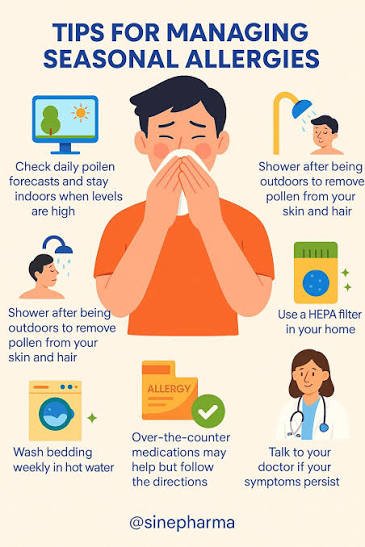
Allergies occur when the immune system reacts to substances that are usually harmless, such as pollen, certain foods, dust, or pet dander. Identifying possible triggers and receiving an accurate diagnosis can help individuals manage symptoms and choose suitable treatment options. Here are several tips for identifying allergies and finding effective treatment solutions:
Common Allergy Symptoms
Symptoms of allergies vary from person to person, but patients often notice a familiar pattern once they know what to watch for. The following signs appear often, and tracking them helps you describe your experience to a provider:
- Sneezing and nasal congestion: Your nose reacts to airborne particles, often leading to repeated sneezing, a runny nose, or a stuffy feeling that lingers.
- Itchy or watery eyes: Pollen and other irritants can inflame the eyes, so you rub them frequently, and the itching often worsens outdoors.
- Skin reactions: Hives, redness, or swelling may develop after contact with an allergen or an insect sting.
- Coughing and wheezing: Some allergens affect the airways, which produces a persistent cough or a tight chest that makes breathing harder.
- Fatigue: Poor sleep from congestion drains your energy, and chronic symptoms can leave you tired throughout the day.
Possible Triggers
Once you recognize your symptoms, the next step is finding what causes them, and this takes careful observation. Environmental allergens such as pollen, dust mites, mold, and pet dander are common triggers, and insect stings from bees or wasps can trigger strong reactions in some people. Keep a journal and record when symptoms flare, where you are, and what you were doing. Patterns often emerge over time; you may notice that outdoor mornings during spring bring the worst discomfort, while indoor dust affects you year-round.
Accurate Diagnosis
Self-observation is useful, but a professional diagnosis confirms what your symptoms suggest and rules out other conditions. Allergy specialists use skin tests, blood tests, or both to identify the substances your immune system reacts to. During a skin test, a provider applies small amounts of common allergens to your skin, and a reaction indicates sensitivity. Blood tests measure specific antibodies, so they offer another reliable approach when skin testing is not suitable.
An accurate diagnosis influences your treatment plan. Your provider reviews your history, your symptom journal, and your test results for a complete picture. This process helps distinguish environmental triggers from insect allergies, and it clarifies how severe your reactions may be.
Effective Treatments
Treatment for allergies depends on your triggers and the severity of your response. The following are some common treatment approaches, and your provider can explain which suits you best. Each option aims to reduce symptoms, so you can return to daily activities with fewer interruptions.
Symptom Management
Patients often start with medications that ease day-to-day discomfort, targeting the most common signs. Antihistamines, nasal sprays, and eye drops reduce sneezing, congestion, and itching, providing quick relief. These treatments manage symptoms, but they do not change how your immune system responds.
Allergy Immunotherapy
Allergy immunotherapy addresses the root of the reaction by gradually exposing your body to controlled doses of an allergen. Your immune system may become less sensitive, which can lead to lasting symptom relief over time. Providers deliver this treatment through injections. This approach suits patients with persistent environmental or insect allergies who want more than temporary results.
Schedule Your Appointment for Allergies
Identifying allergies begins with recognizing symptoms, tracking triggers, and getting an accurate diagnosis. Symptom management offers quick relief, while allergy immunotherapy targets the underlying cause for individuals seeking lasting results. Contact a qualified healthcare provider near you to schedule your appointment for allergies today.